
Design your own custom shirt is an exciting way to express your personal style, make a statement, or promote your brand. Whether you’re designing for yourself, a special event, or for your business, a custom shirt can be both fun and functional. Here’s a comprehensive guide to help you design your own shirt in a few simple steps.
Step 1: Define Your Purpose
Before diving into the design process, it’s important to define the purpose of your custom shirt. Are you creating a personal fashion item, a promotional tool, or a commemorative piece for an event? Understanding the purpose will guide your design choices, including colors, fonts, and graphics.
Personal Fashion
If you’re designing a shirt for personal use, think about what reflects your personality. Consider your favorite colors, hobbies, or quotes that resonate with you. The goal is to create a shirt that you’ll love wearing and that feels uniquely yours.
Promotional Tool
For business purposes, the shirt should prominently feature your brand elements such as logos, slogans, and brand colors. The design should be professional yet eye-catching to help promote brand recognition and attract potential customers.
Event Memorabilia
When designing shirts for an event, ensure that the design aligns with the theme of the event. Include relevant details such as the event name, date, and location. This makes the shirt a memorable keepsake for attendees.
Step 2: Choose the Right Fabric
Selecting the appropriate fabric is crucial for both comfort and print quality. The most common fabric choices are cotton, polyester, and blends.
Cotton
Cotton is soft, breathable, and comfortable, making it a popular choice for everyday wear. It’s also a great canvas for various printing methods, ensuring vibrant and durable prints.
Polyester
Polyester is known for its durability and moisture-wicking properties. It’s ideal for athletic wear and can withstand repeated washes without shrinking or fading.
Blends
Blended fabrics combine the best properties of cotton and polyester. They offer comfort and durability, making them versatile for different purposes.
Step 3: Create Your Design
Now comes the fun part—creating your design. Whether you’re an experienced designer or a beginner, there are various tools and tips to help you craft the perfect design.
Use Design Software
Design software like Adobe Illustrator or Photoshop provides advanced tools for creating intricate designs. If you’re new to design, consider using user-friendly platforms like Canva, which offer templates and intuitive design features.
Incorporate Visual Elements
Visual elements such as graphics, icons, and images can enhance your shirt design. Ensure that these elements are high-resolution to maintain quality when printed. Use vectors whenever possible, as they can be scaled without losing clarity.
Select Fonts and Colors
Choose fonts that are readable and align with the overall theme of your design. Play around with different font styles and sizes to see what works best. When it comes to colors, consider the psychology of color and how different hues evoke different emotions.
Step 4: Create a Mockup
Before finalizing your design, create a mockup to visualize how the shirt will look. Mockup tools allow you to see your design on a virtual shirt, helping you spot any potential issues or areas for improvement. This step is crucial to ensure that the final product meets your expectations.
Step 5: Choose a Printing Method
Selecting the right printing method is essential for bringing your design to life. Common printing methods include screen printing, direct-to-garment (DTG) printing, and heat transfer printing.
Screen Printing
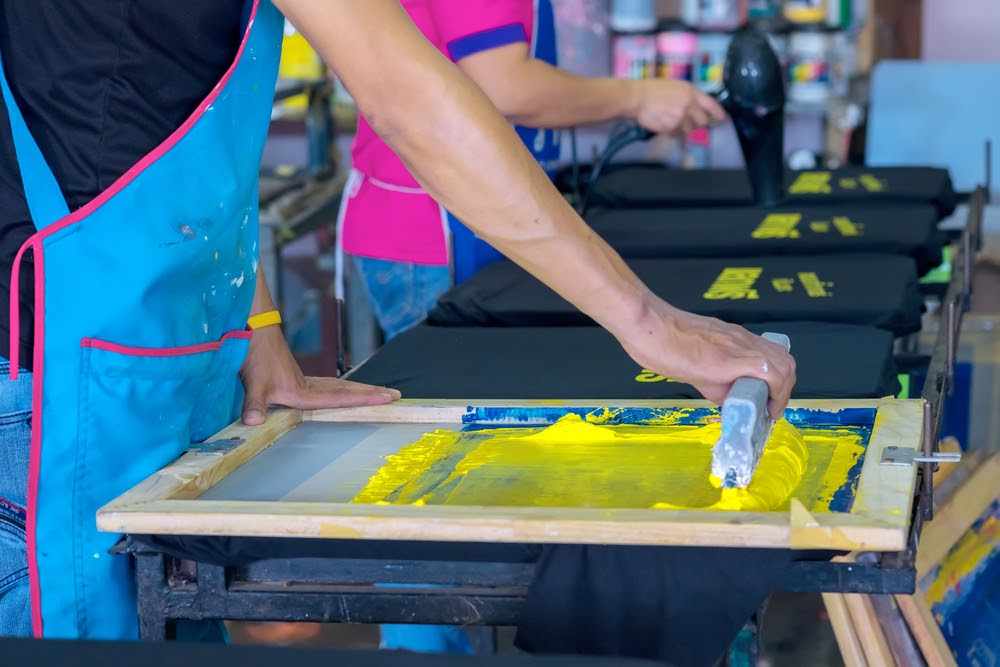
Screen printing is ideal for bulk orders and designs with few colors. It produces vibrant and durable prints, making it a popular choice for promotional shirts.
Direct-to-Garment (DTG) Printing
DTG printing is perfect for detailed and colorful designs. It works well for small orders and allows for intricate patterns and gradients.
Heat Transfer Printing
Heat transfer printing is versatile and can handle complex designs. It’s suitable for small batches and designs with multiple colors.
Step 6: Order and Review
Once you’ve finalized your design and chosen a printing method, it’s time to place your order. Choose a reputable printing company to ensure high-quality results. After receiving your custom shirts, review them carefully to ensure they meet your standards.
Conclusion
Designing your own shirt is a rewarding experience that allows for creativity and personalization. By following these steps, you can create a custom shirt that reflects your style, promotes your brand, or commemorates a special event. With careful planning and attention to detail, your custom shirt will be a unique and cherished piece.

.png)
Write a comment ...